
Collections
Recommended by Instructors (18)
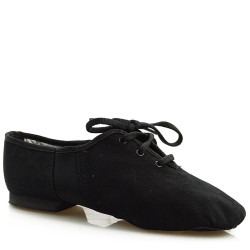
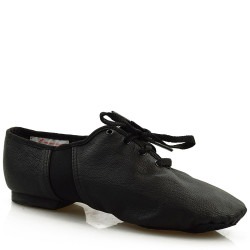
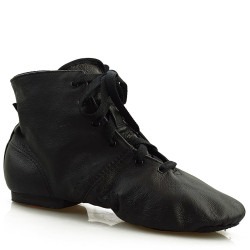
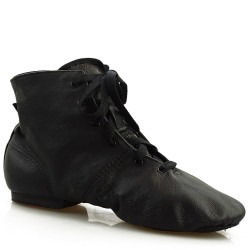
Shoes recommended by dance instructors should meet a number of important requirements to ensure comfort, safety and adequate performance while dancing. Here are the key features to look out for:
1. fit for the type of dance
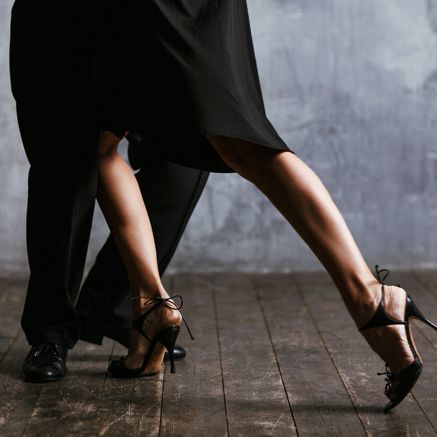
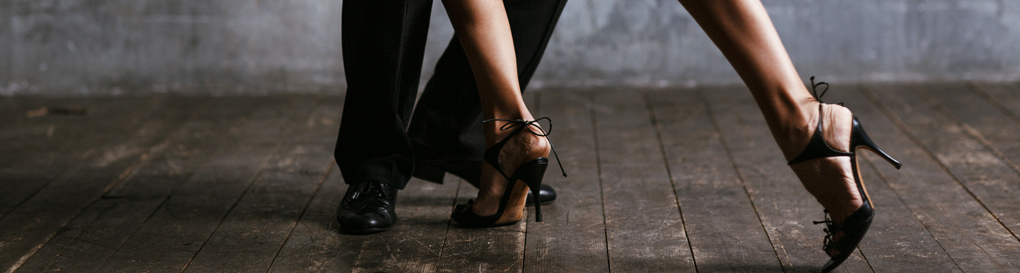
Ballroom dance shoes: Usually have a leather or suede sole to provide adequate grip on the dance floor while allowing for smooth turns. They are often characterised by a higher heel (around 5-8 cm), which helps with correct posture.
Classical dance shoes: For ballet or contemporary dance, shoes must be flexible, fit the shape of the foot and allow full freedom of movement. These are often ballet shoes or special pointe shoes in the case of ballet.
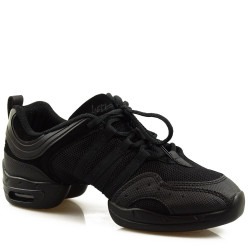
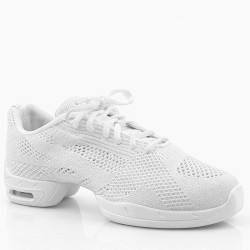
Jazz dance shoes: Often have a rubber sole that provides good grip while allowing more freedom of movement and flexibility.
2. comfort and proper fit
Shoes should be well-fitted to the shape of the foot so that they do not compress or cause abrasions.
It is a good idea to avoid shoes that are too tight, as they can lead to health problems such as corns or foot pain.
3 Heel height
For ballroom dancing, a heel height of between 5 and 8 cm is often recommended as it provides good posture, allows for better weight transfer and facilitates balance.
For dances such as salsa or tango, the heel can be slightly higher, but should still be stable so as not to strain the feet and legs.
4. sole
Leather or suede: Often recommended for ballroom dancing as it allows you to glide across the dance floor, which is important in many styles.
Rubber: Jazz or hip-hop dance shoes often have a rubber sole, which offers better grip and control with each step.
5 Breathable material
It is important that the shoes are made of a material that allows the skin to breathe, which prevents the feet from sweating. Leather or special synthetic fabrics are popular options.
6 Flexibility
Shoes should be flexible enough to allow the full range of movement of the foot. This is especially important in dances that require dynamic steps or turns.
7 Durability
When choosing shoes, pay attention to the quality of workmanship and materials that will ensure durability even with intensive use.
8. aesthetics
While functionality is paramount, dance shoes often also have a sleek design that matches the outfit and nature of the dance.
Summary:
Dance shoes should be well-fitting, comfortable, flexible and suitable for a particular style of dance. It is advisable to consult a dance instructor to select the best model to support technique and comfort during learning and dance performances.
1. fit for the type of dance
Ballroom dance shoes: Usually have a leather or suede sole to provide adequate grip on the dance floor while allowing for smooth turns. They are often characterised by a higher heel (around 5-8 cm), which helps with correct posture.
Classical dance shoes: For ballet or contemporary dance, shoes must be flexible, fit the shape of the foot and allow full freedom of movement. These are often ballet shoes or special pointe shoes in the case of ballet.
Jazz dance shoes: Often have a rubber sole that provides good grip while allowing more freedom of movement and flexibility.
2. comfort and proper fit
Shoes should be well-fitted to the shape of the foot so that they do not compress or cause abrasions.
It is a good idea to avoid shoes that are too tight, as they can lead to health problems such as corns or foot pain.
3 Heel height
For ballroom dancing, a heel height of between 5 and 8 cm is often recommended as it provides good posture, allows for better weight transfer and facilitates balance.
For dances such as salsa or tango, the heel can be slightly higher, but should still be stable so as not to strain the feet and legs.
4. sole
Leather or suede: Often recommended for ballroom dancing as it allows you to glide across the dance floor, which is important in many styles.
Rubber: Jazz or hip-hop dance shoes often have a rubber sole, which offers better grip and control with each step.
5 Breathable material
It is important that the shoes are made of a material that allows the skin to breathe, which prevents the feet from sweating. Leather or special synthetic fabrics are popular options.
6 Flexibility
Shoes should be flexible enough to allow the full range of movement of the foot. This is especially important in dances that require dynamic steps or turns.
7 Durability
When choosing shoes, pay attention to the quality of workmanship and materials that will ensure durability even with intensive use.
8. aesthetics
While functionality is paramount, dance shoes often also have a sleek design that matches the outfit and nature of the dance.
Summary:
Dance shoes should be well-fitting, comfortable, flexible and suitable for a particular style of dance. It is advisable to consult a dance instructor to select the best model to support technique and comfort during learning and dance performances.